
Reel 01 Director · Editor · Producer
I make the whole film.
I directed a feature that played in theatres, and I cut it. I write, I produce, I generate, I grade. Ten years ago that meant a crew and a schedule. Today it means a pipeline I built myself — and a series of two thousand shots I'm making alone.
Reel 02 The feature 2026
A film that played in theatres.
Nilave released theatrically and went to streaming. A feature teaches you something nothing shorter can: how to hold a room that has already sat down — where to place a cut so a scene lands, and how long an audience will wait when you've given them a reason to.

Nilave — Trailer
Direction, visual language, performance, pacing and post supervision across the whole film, from development through delivery.
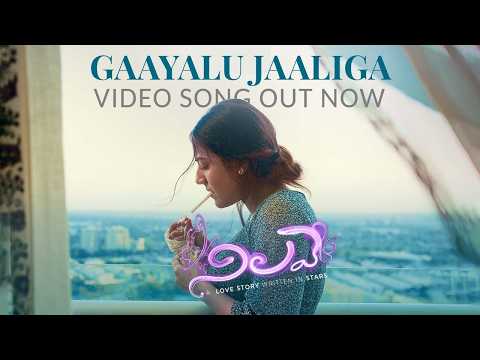
Nilave — Songs
In Telugu cinema a song is its own short film, with its own arc and its own grammar. These were built that way.
Reel 03 AI-native filmmaking 2026
The camera became a pipeline.
I generate what I used to shoot — then cut, time, sound-design and grade it exactly like footage. That last part is the whole difference. Most AI video looks cheap because someone generated a clip and shipped it. I throw away far more than I keep.

Brand spot 01
The idea arrives before the logo does.

Brand spot 02
Generated for hours. Kept seconds.
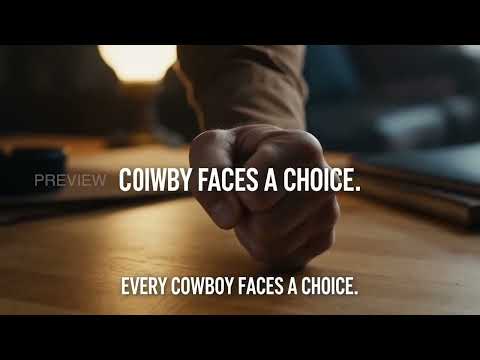
Brand spot 03
Sound-designed like a film, timed like an auction.
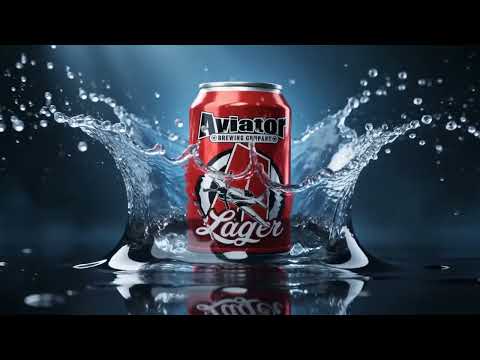
Brand spot 04
Re-cut after launch. The numbers had notes.
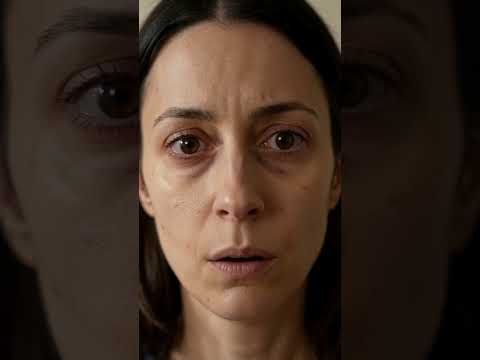
I Know How It Ends
Written backwards from its cliffhanger — the first shot exists because of the last one.
Generic prompts return the average
"A man drinking coffee in a kitchen" returns the mean of everything the model has ever seen, which is why so much of this work looks identical.
A specific person, in a specific light, at a specific moment stops looking like stock. Generic AI video comes from generic intent, not from the model.
Consistency is where it breaks
Holding one face or one product steady across a sequence is the thing AI video fails at, and it's the thing that separates a finished film from a folder of clips.
I built a reference and LoRA system for it, because I needed one at scale.
Reel 04 Brand & paid social 2015 — present
Then I had to sell something.
The first brand that ever paid attention to my work was Ferrero. I entered a global film contest for Tic Tac and won it — my first proof that the discipline of a scene also works on a product. Years later, marketing my own films taught me the harder half: in a cinema the audience already sat down, and in a feed nobody has.
An award from a global brief
Userfarm ran curated film contests for brands across a network of more than 120,000 filmmakers worldwide. I entered the Tic Tac brief and took a winning place.
The platform has since shut down, so the film is no longer hosted anywhere public — but it's where I learned that a brand brief is just a very tight story problem.
A restaurant brand in four countries
Social content and Meta ad creative for a brand operating across India, the US, UAE and Canada. I wrote the hooks, cut the variants, and kept whichever version the spend proved.
It's the first time the colour grade didn't get a vote. That was useful.
Twenty thousand followers, no agency
I built and ran the campaigns that grew our production page — no media buyer between me and the result, reading the numbers the next morning and re-cutting accordingly.
instagram.com/pov_filmproductions →
Reel 05 In production 2026 —
An animated series, made by one person.
Fire and Serpent is roughly two thousand shots, scoped and being built single-handedly: script, shot design, generation, character consistency, edit, graphics, delivery. It exists partly because I wanted to know whether a studio's output could come out of one pair of hands. So far, it can.
Two thousand shots
The number is the point. Anyone can make one good shot with these tools. Making two thousand that belong to the same film is a different problem entirely.
A system, not a session
Locked references, trained character models, a repeatable shot pipeline, and a shot-budget I hold myself to weekly. It's production management as much as it is filmmaking.
Proof of throughput
Holding a character steady across two thousand shots is the same discipline as holding a product steady across forty ad variants. Consistency is the whole game.
Reel 06 What I actually do
No handoff, so nothing gets lost.
I'm used to being the entire department. The idea that survives to the final export is the same one that started it.
Direction & story
Where it starts
- Feature & short screenwriting
- Directing performance
- Shot design & coverage
- Short-form structure
- Hook & cliffhanger design
- Producing
Generation
The new camera
- Seedance 2.0
- Kling
- ComfyUI
- Stable Diffusion
- LoRA training
- Upscaling, inpainting
Post & delivery
Where it's decided
- Premiere Pro
- DaVinci Resolve
- After Effects
- Motion graphics
- Colour grading
- Sound design
Reel 07 Where it started 2014 — 2022
Seventy-two hours, start to finish.
My first credit was a competition film: write it, shoot it, cut it, deliver it inside three days. It won. I've never really left that mode of working — fast, alone, finished — and everything above runs on the muscle it built.
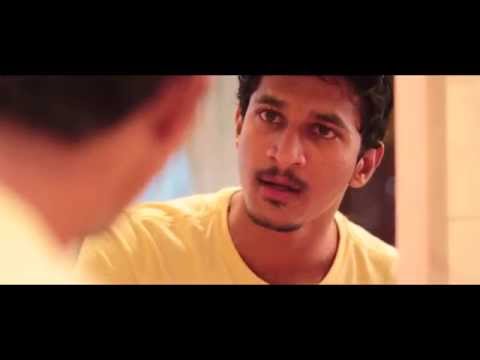
Blindsided
Written, shot and cut in 72 hours. Winner, NIT Fest. The film that decided what kind of filmmaker I'd be.

Moira
Producing is the unglamorous half of directing: making sure the thing actually exists, on time, finished. I wanted to learn it properly.
A deadline is a creative tool
Three days removes every option that was never going to work. You stop deliberating and start deciding, and the film gets made instead of discussed.
I still set the clock deliberately. It's the difference between a portfolio of ideas and a body of finished work.